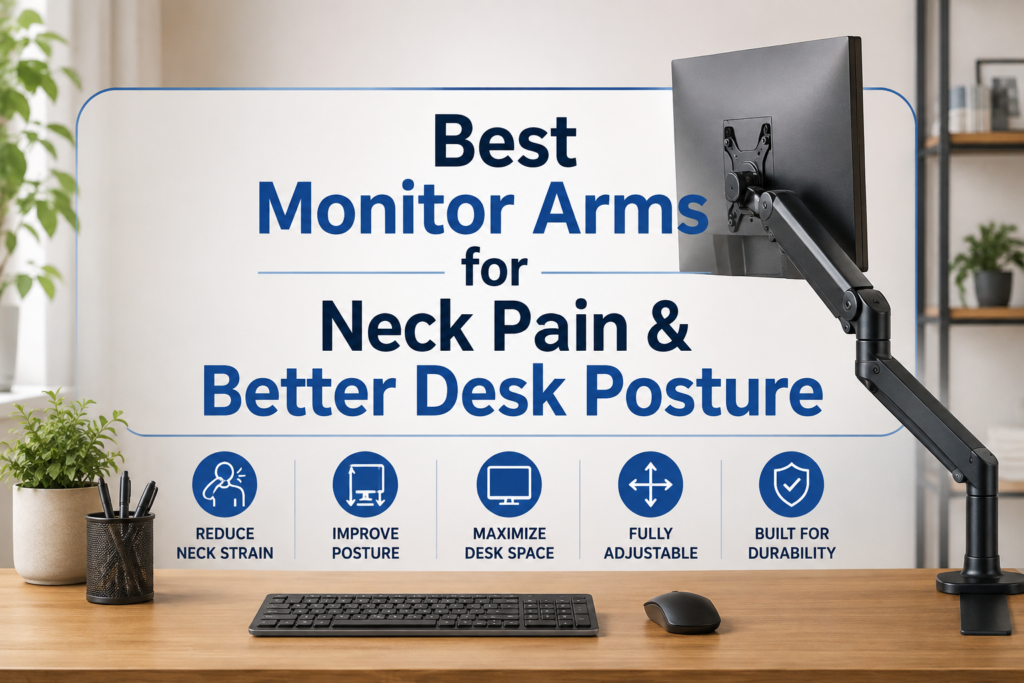
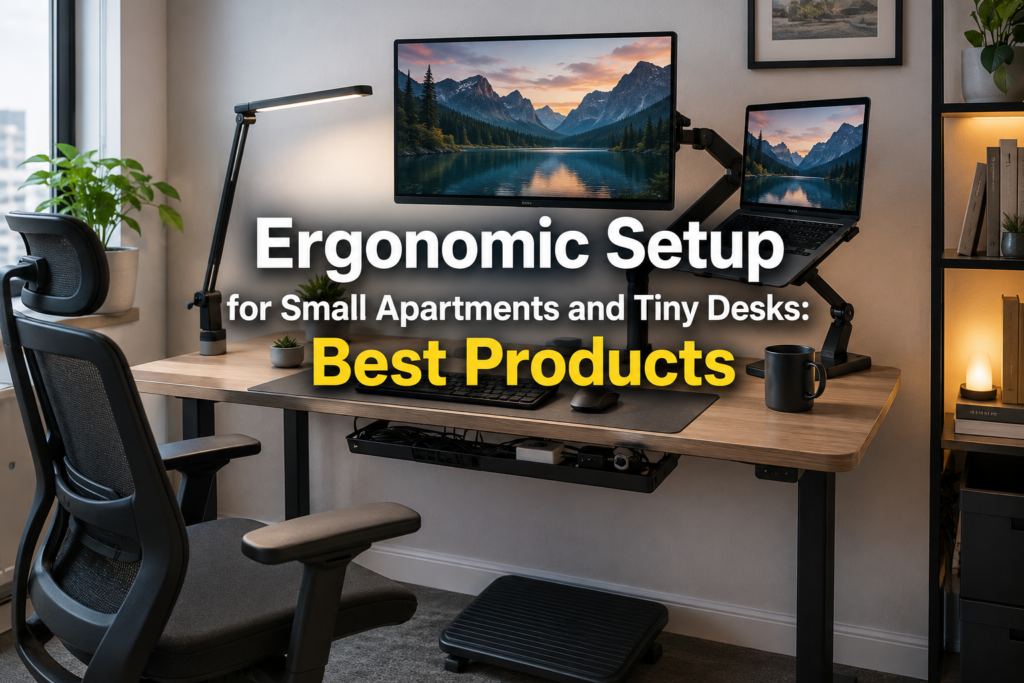
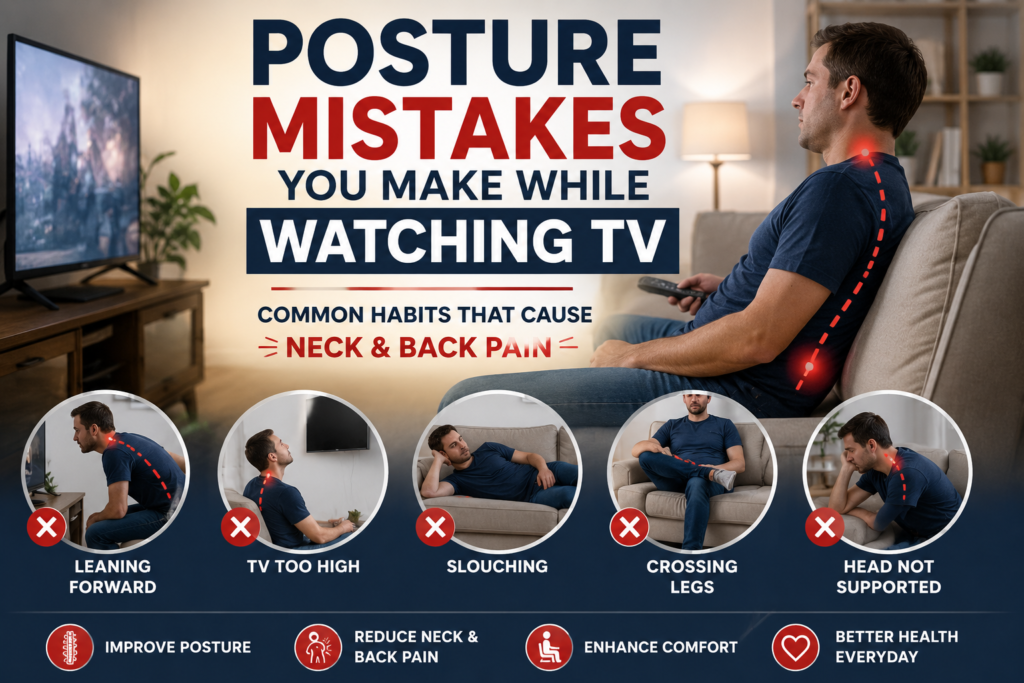
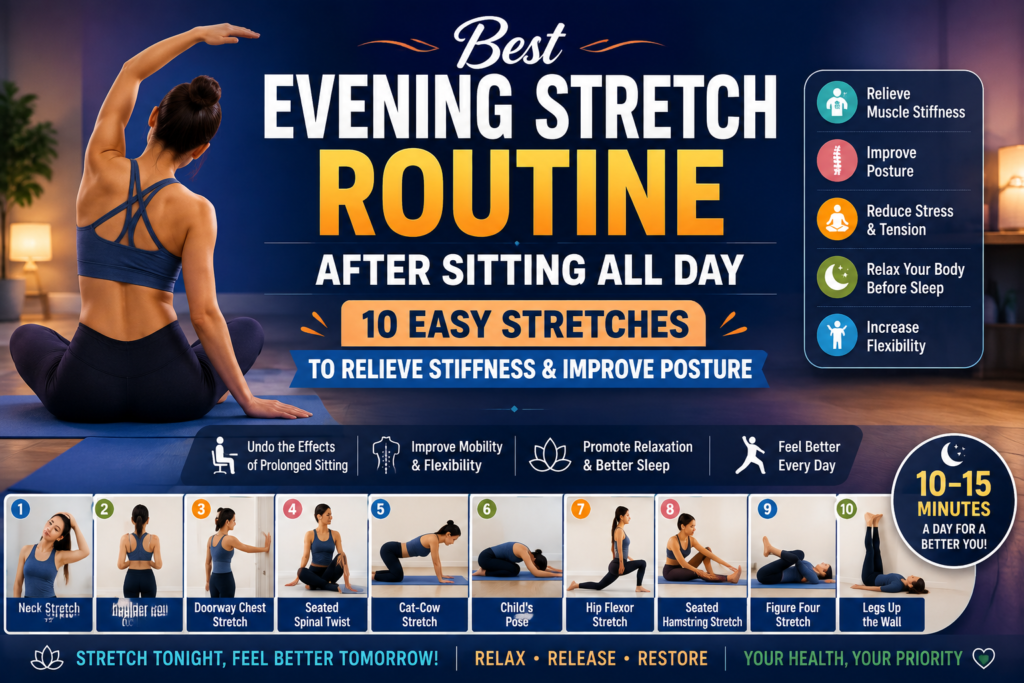
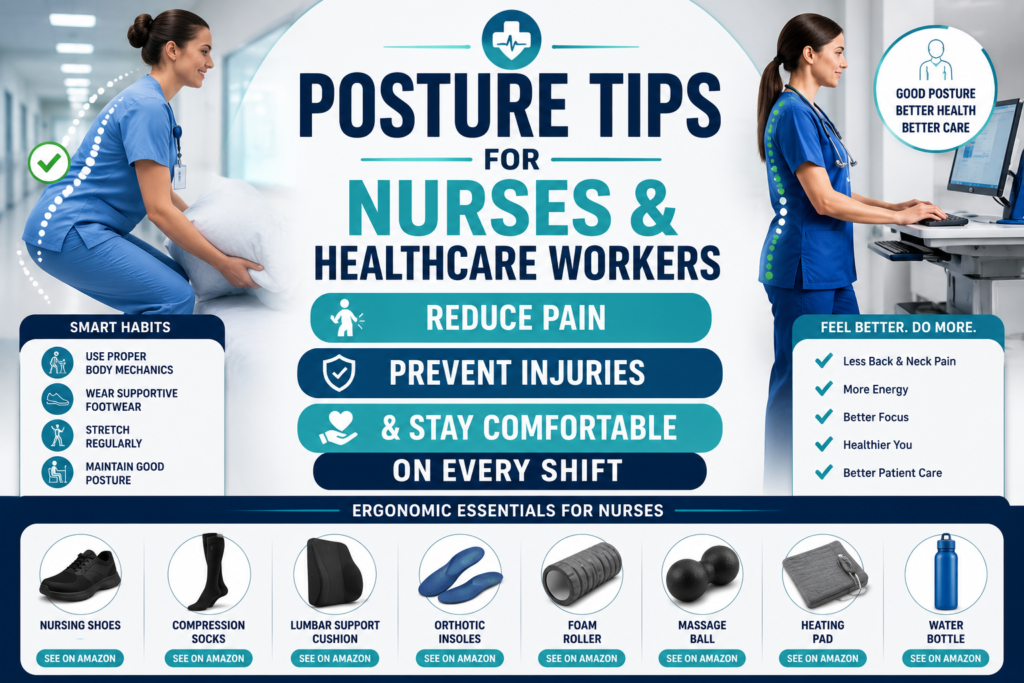
In today’s digital world, children and teenagers spend more time than ever sitting in front of computers, tablets, smartphones, and gaming consoles. While technology offers numerous educational and entertainment benefits, it has also contributed to a growing concern among parents and healthcare professionals: poor posture in children and teens. Slouching, rounded shoulders, forward head posture, and excessive screen time can lead to discomfort, muscle imbalances, and long-term spinal issues if left unaddressed. As a result, many parents are turning to posture correctors for kids and teenagers as a potential solution. But are posture correctors actually safe for growing bodies? Do they help improve posture, or could they create new problems? In this comprehensive guide, we’ll explore the science behind posture correctors, discuss their benefits and risks, and review some of the best posture correctors available on Amazon in 2026. What Is a Posture Corrector? A posture corrector is a wearable…
Swayback Posture How to Identify and Correct It
Swayback Posture: How to Identify and Correct It Naturally Poor posture has become increasingly common due to long hours of sitting, smartphone usage, desk jobs, and lack of physical activity. One of the most overlooked postural problems is swayback posture — a condition that can quietly lead to chronic back pain, tight hips, poor balance, and long-term spinal stress. Many people assume swayback posture is simply “standing with bad posture,” but it actually involves a specific imbalance in the pelvis, spine, and muscles throughout the body. The good news is that swayback posture can often be improved naturally through targeted exercises, stretching routines, lifestyle changes, and supportive posture correction products. In this detailed guide, you’ll learn: What swayback posture is Common signs and symptoms Main causes Best exercises to fix it Stretches that help Helpful Amazon posture correction products Prevention tips for long-term spinal health If you’ve been dealing with…
Upper Crossed Syndrome — The Office Worker’s Posture Problem 2026
If you work at a desk, use a laptop for long hours, or spend most of your day looking down at a phone, you may have noticed tight shoulders, neck stiffness, upper-back discomfort, or a rounded posture. These problems are common among office workers, remote workers, students, gamers, and anyone who spends long periods sitting in front of a screen. One posture issue often linked with this modern work lifestyle is Upper Crossed Syndrome. It is a muscle imbalance pattern that usually involves tight muscles in the chest and neck, combined with weak muscles in the upper back and deep neck area. Over time, this imbalance can create forward head posture, rounded shoulders, tight traps, neck pain, and a hunched upper back. Upper Crossed Syndrome does not happen overnight. It often develops slowly from repeated daily habits. Sitting with your head forward, working on a low laptop screen, reaching toward…
Anterior Pelvic Tilt: Causes, Fixes & Best Products to Help — 2026
Introduction Anterior pelvic tilt is one of the most common posture issues people notice when they look at their side profile. It can make the lower back look overly arched, the stomach appear pushed forward, and the hips look tilted. Many people describe it as “swayback posture” or a posture where the pelvis tips forward too much. This posture pattern is often linked with long sitting hours, weak core muscles, tight hip flexors, weak glutes, poor desk posture, lack of mobility, and imbalanced training habits. If you work from home, sit at a desk all day, drive for long hours, or skip lower-body and core strengthening, anterior pelvic tilt may become more noticeable over time. The good news is that anterior pelvic tilt can often be improved with better awareness, targeted stretching, strengthening exercises, and supportive products. Cleveland Clinic explains that pelvic tilt treatment often includes working with a physical…
What Is Kyphosis vs Lordosis vs Scoliosis? — Visual Comparison Guide 2026
Introduction Spine posture can be confusing, especially when terms like kyphosis, lordosis, and scoliosis are used together. Many people simply say they have “bad posture,” but different spine curves can affect the body in different ways. Some curves happen naturally and are part of a healthy spine, while others may become exaggerated, painful, or noticeable in daily posture. The human spine is not supposed to be perfectly straight from the side. A normal spine has natural curves that help absorb shock, support the head, and keep the body balanced. However, when these curves become too extreme or curve in the wrong direction, they can affect how you stand, sit, walk, and move. The three most common posture-related spine curve terms are kyphosis, lordosis, and scoliosis. Kyphosis usually refers to excessive rounding of the upper back. Lordosis usually refers to an exaggerated inward curve of the lower back. Scoliosis refers to…
Sciatica Pain Relief: Best Products & At-Home Treatments — 2026
Introduction Sciatica pain can make simple daily activities feel difficult. The pain often starts in the lower back or buttock and travels down one leg, sometimes reaching the calf, foot, or toes. Some people feel sharp shooting pain, while others feel burning, tingling, numbness, or deep aching. Sitting for long periods, driving, bending, lifting, or standing too long can make symptoms worse. The good news is that many mild sciatica flare-ups improve with conservative care. At-home treatments such as cold packs, heat therapy, gentle movement, stretching, posture improvement, and over-the-counter pain relief may help reduce discomfort. Cleveland Clinic notes that self-care options can include cold and heat, anti-inflammatory medicines, and gentle movement or stretching for mild symptom management. However, not every sciatica case is the same. The best approach depends on the cause and severity of symptoms. Some people need physical therapy, medical evaluation, imaging, injections, or other treatments. For…
Herman Miller Aeron vs Steelcase Leap — Posture Chair Showdown 2026
Introduction When it comes to premium ergonomic office chairs, two names appear again and again: Herman Miller Aeron and Steelcase Leap. Both chairs are popular with office workers, remote professionals, programmers, designers, executives, and anyone who spends long hours sitting at a desk. They are expensive, but they are also built for long-term comfort, posture support, and serious daily use. The Herman Miller Aeron is famous for its breathable mesh design, iconic look, multiple size options, and PostureFit SL support. The Steelcase Leap is known for its flexible backrest, LiveBack technology, adjustable lumbar support, and softer padded seat. Both are premium chairs, but they feel very different. If your main goal is better posture, the question is not simply “Which chair is more popular?” The better question is: Which chair fits your body, your desk setup, and your sitting style? In this 2026 updated comparison, we break down Herman Miller…
BetterBack Posture Support Belt Review — 2026
Introduction Sitting for long hours can quietly affect your posture. Whether you work from home, sit in an office chair, study on a laptop, drive often, or spend evenings on the couch, it is easy to round your lower back, lean forward, and put extra pressure on your spine. Over time, poor sitting habits can lead to lower back stiffness, hip discomfort, shoulder rounding, and general fatigue. The BetterBack Posture Support Belt became popular because it offers a different solution from traditional posture correctors. Instead of wrapping around your shoulders or pulling your upper back into place, BetterBack focuses on your seated posture. It uses a support pad behind your lower back and straps around your knees to help bring your pelvis and spine into a better sitting position. This makes it especially useful for people who sit for long periods and want a portable posture support tool they can…
Purelift Posture Corrector Review — Honest 30-Day Test 2026
Introduction Poor posture is a common problem for people who sit at a desk, work from home, use laptops, drive for long hours, or spend too much time looking down at phones. Rounded shoulders, forward head posture, upper-back stiffness, and neck tension can slowly become part of your daily routine without you even noticing. This is why posture correctors have become popular. They promise to pull your shoulders back, support your upper back, and remind you to sit or stand straighter. One product many buyers search for is the Purelift Posture Corrector, a wearable posture support brace designed for men and women who want a simple way to improve posture awareness at home, work, or during daily activities. But does the Purelift Posture Corrector really work, or is it just another posture gadget with big promises? In this honest 30-day test-style review, we look at comfort, support, adjustability, daily use,…
Upright Go 2 Posture Trainer Review — Worth the Hype? 2026
Introduction Poor posture has become a common problem for people who sit at a desk, work from home, use laptops, drive for long hours, or spend too much time looking down at a phone. Slouching may not feel like a big issue at first, but over time it can contribute to neck tension, rounded shoulders, upper-back stiffness, and poor sitting habits. This is where the Upright Go 2 Posture Trainer gets attention. Unlike traditional posture corrector braces that pull your shoulders back, the Upright Go 2 is a small wearable device that gives gentle vibration reminders when you slouch. The idea is simple: instead of forcing your body into position, it trains you to become aware of your posture and correct it yourself. But is the Upright Go 2 Posture Trainer worth the hype in 2026, or is it just another wellness gadget? In this review, we look at its…