purchase through one of these links, we may earn a commission at no extra cost to you. Product prices, availability, and specifications can change, so confirm the latest details before buying.
Hours spent looking at a laptop or phone can leave the muscles around the neck and shoulders feeling tight, tired, and overworked. A neck stretcher may provide a convenient way to relax after a long workday, but designs vary considerably. Some products support the natural curve of the neck while you lie down, some apply targeted pressure, and others use a suspended hammock to create gentle traction.
The best neck stretchers for desk workers and tech neck should feel supportive rather than aggressive. Because comfort varies, choose by design and intended use.
This roundup highlights five popular options for different preferences and budgets. It also explains what each style can—and cannot—reasonably do. “Tech neck” is an informal term, not a medical diagnosis, and a consumer neck stretcher is not a substitute for professional evaluation or a well-designed ergonomic workstation.
Quick Comparison of Our Top Picks
Table of Contents
| Product | Style | Best for | Main advantage | Consider before buying |
|---|---|---|---|---|
| Comfortland CV-900 Pneumatic Cervical Traction Unit | Adjustable pneumatic floor unit | Clinician-guided, measured traction | Hand pump allows gradual pressure adjustment | Bulky and should be used with professional guidance |
| The Original Neck Hammock | Suspended traction hammock | Travelers and adjustable positioning | Compact, portable system | Requires a secure compatible anchor |
| Neck Cloud Cervical Traction Device | Padded traction hammock | Users wanting a cushioned cradle | Broad padded head and neck support | More setup than a floor stretcher |
| OPTP Occipivot | Firm occipital support | Focused base-of-skull pressure | Small and precise | Targeted pressure can feel intense |
| Chirp Wheel+ 4-inch Focus | Compact massage wheel | Neck and upper-back muscle tension | Can roll across multiple tight areas | Active rolling requires control |
1. Comfortland CV-900 Pneumatic Cervical Traction Unit — Best for Adjustable Floor Traction
The Comfortland CV-900 is clearly different from the molded cradle and hammock-style products elsewhere in this roundup. It is a structured, floor-based cervical traction unit that uses a hand pump and pneumatic force while the user lies in a supported position.
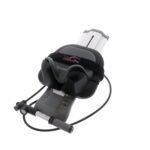 Its adjustable neck cradle can be widened or narrowed for positioning, while the forehead restraint helps keep the head stable. The hand pump lets the user increase pressure gradually and lock or release it without relying on a door anchor. That makes the CV-900 a more controlled choice for someone whose healthcare provider has recommended a specific traction routine.
The tradeoffs are cost, size, and complexity. It is less portable than a foam support and requires careful setup. Comfortland’s instructions tell users to follow their healthcare provider’s guidance for pressure, angle, duration, and hold-and-relax timing. It is therefore not the best impulse purchase for someone seeking a casual stretching accessory.
Best for: People who have been advised to use adjustable, supine pneumatic cervical traction at home.
Amazon
2. The Original Neck Hammock — Best Portable Suspended Stretcher
The Original Neck Hammock is designed for users who prefer suspended support rather than a solid foam cradle. According to the manufacturer, the system includes a head cradle, padded jaw wings, door strap, and quick-release components. It can attach to a suitable door, railing, or pole, which makes it useful for travel if a safe anchor is available.
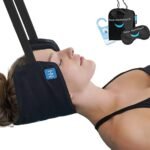 Its biggest strength is portability. The fabric-style cradle takes up little room in a suitcase, and positioning can be adjusted by changing the setup angle in accordance with the instructions. The padded sides are also intended to stabilize the head without concentrating all contact in one narrow spot.
However, a hanging device deserves extra care. The anchor must be secure, the door must not open unexpectedly, and the user’s body should remain supported on the floor or bed as directed. It is not intended for hanging body weight or improvising with unsuitable furniture. Anyone uncomfortable with straps and anchors will probably prefer a floor cradle.
Best for: Frequent travelers or experienced users who want a compact suspended system.
Amazon
3. Neck Cloud Cervical Traction Device — Best Padded Hammock Design
Neck Cloud is another hammock-style option, but its wide, padded cradle offers a different feel from minimalist fabric slings. The product is promoted as a portable traction device with a supportive hammock shape. That broader contact area may appeal to users who dislike narrow straps or want a softer sensation around the head and neck.
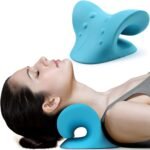 For desk workers, Neck Cloud makes the most sense as an at-home decompression accessory rather than something used at the desk. Setup and body positioning require attention, and the session should remain controlled. As with any suspended device, follow the supplied directions and inspect straps and connection points before every use.
Compared with a fixed foam block, a hammock can offer more freedom to fine-tune position. The compromise is that it involves more components and more room. Buyers should review the current package contents and installation requirements, since listings and bundles can change.
Best for: Users who want suspended support with a broad, cushioned cradle.
Amazon
4. OPTP Occipivot — Best for Focused Base-of-Skull Support
The OPTP Occipivot is part of the brand’s Pivotal Therapy line. Unlike a traditional traction hammock, it is a compact, firm support designed to contact the soft-tissue area around the base of the skull. The manufacturer describes the system as a tool for releasing tension associated with sustained postures, including forward-head posture.
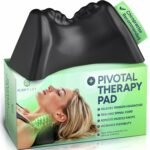 This focused shape fits easily in a desk drawer or travel bag, and there are no straps to assemble. Because contact is concentrated, correct placement matters: it should sit beneath the occipital region rather than pressing directly into the middle of the cervical spine.
The Occipivot is a better match for users who already know they enjoy firm pressure. Sensitive beginners may prefer a wider, softer cradle. OPTP also offers related cervical and thoracic pieces, but buying the complete system is unnecessary for someone who only wants targeted neck support.
Best for: Controlled, stationary pressure at the base of the skull.
Amazon
5. Chirp Wheel+ 4-Inch Focus — Best for Neck and Upper-Back Tension
The Chirp Wheel+ 4-inch Focus is not a conventional traction device. It is a compact massage wheel made for focused pressure around the neck and other small muscle areas. Chirp’s design includes a central spinal channel intended to keep direct pressure off the spine while the raised sides contact nearby muscles.
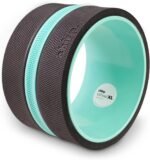 This option earns a place in the roundup because desk-related discomfort often extends from the neck into the upper back and shoulder-blade area. A small wheel can move across more than one region, making it more versatile than a stationary block. The four-inch size is the brand’s more focused wheel; people wanting broader upper-back contact may prefer its six-inch Deep Tissue model.
Rolling adds intensity and requires more body control than lying still. Move slowly, avoid rolling directly over bony structures, and do not force the neck into a deep range. Users who want passive support should choose one of the first four products instead.
Best for: Active self-massage across the neck-to-upper-back transition.
Amazon
How to Choose the Best Neck Stretcher
Match the device to the sensation you want
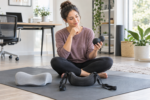 A foam cradle provides passive support, a hammock creates a traction-style pull, and an occipital tool or wheel delivers focused pressure. If you are unsure, begin with the least complicated, least intense design. More pressure is not automatically more effective.
Consider setup and consistency
A suspended hammock may travel well but needs a trustworthy anchor. A floor cradle requires open floor space but takes seconds to position.
 Check firmness and contact area
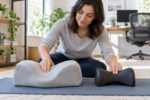
Broad, padded surfaces distribute pressure. Smaller and firmer tools concentrate it. Review dimensions, materials, cleaning instructions, and return policies before purchasing, especially if you are sensitive to pressure or have a short or long neck.
Look beyond the stretcher
A neck device cannot correct an unsuitable desk setup. Keep the display near eye level, position the keyboard and mouse so the shoulders can relax, and take regular movement breaks. Alternating tasks and changing posture often matters more than trying to maintain one “perfect” position all day.
 How to Use a Neck Stretcher Safely
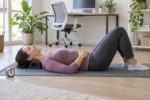
Read the manufacturer’s instructions before the first session. Start with the gentlest position for only a few minutes, breathe normally, and keep movements slow. A mild stretch may be acceptable; sharp pain is not. Never fall asleep in a traction device, hang your full body weight from a neck hammock, or add resistance that the manufacturer does not recommend.
Stop immediately if use causes dizziness, nausea, a severe or unusual headache, blurred vision, numbness, tingling, weakness, worsening pain, or symptoms traveling into an arm. Seek medical advice for persistent or recurrent symptoms. Ask a qualified clinician before trying cervical traction if you have had neck surgery or recent trauma, or if you have a diagnosed spinal, bone, inflammatory, neurological, or vascular condition.
Frequently Asked Questions
Do neck stretchers fix tech neck?
No consumer tool can guarantee a fix. A stretcher may provide temporary comfort or help someone relax tight muscles, but long-term improvement usually also requires better workstation positioning, movement breaks, appropriate exercise, and attention to the underlying cause. Persistent pain deserves professional assessment.
 How often should desk workers use a neck stretcher?
Follow the device’s instructions and any guidance from your clinician. New users should begin with short, gentle sessions rather than assuming that longer is better. Discomfort that increases during or after use is a reason to stop.
Is a neck hammock better than a foam neck cradle?
Neither style is universally better. A hammock offers adjustable, suspended support but requires a secure anchor and careful setup. A foam cradle is quicker and simpler, although its fixed shape may not fit everyone. Choose the design you can use safely and comfortably.
Can I use a neck stretcher while working?
Most products in this roundup are designed for lying-down sessions, not for simultaneous computer work. Use them during a deliberate break in a safe position. Do not use a suspended device while standing, driving, or performing another task.
 When should neck pain be checked by a professional?
Seek prompt medical advice after an injury or when pain is severe, persistent, or accompanied by weakness, numbness, loss of coordination, fever, dizziness, a sudden severe headache, or other concerning symptoms. A clinician can determine whether stretching or traction is suitable.
Final Verdict
The Comfortland CV-900 is the most structured option for users who need adjustable pneumatic traction and have professional guidance. The Original Neck Hammock and Neck Cloud suit users who specifically want suspended traction and can follow the anchoring instructions carefully. The OPTP Occipivot is a focused choice for firm support at the base of the skull, while the Chirp Wheel+ 4-inch Focus offers more versatility for muscle tension extending into the upper back.
The best neck stretcher is not necessarily the strongest one. It is the product that matches your preferred pressure, fits your space, and encourages a gentle routine alongside better desk ergonomics and regular movement.