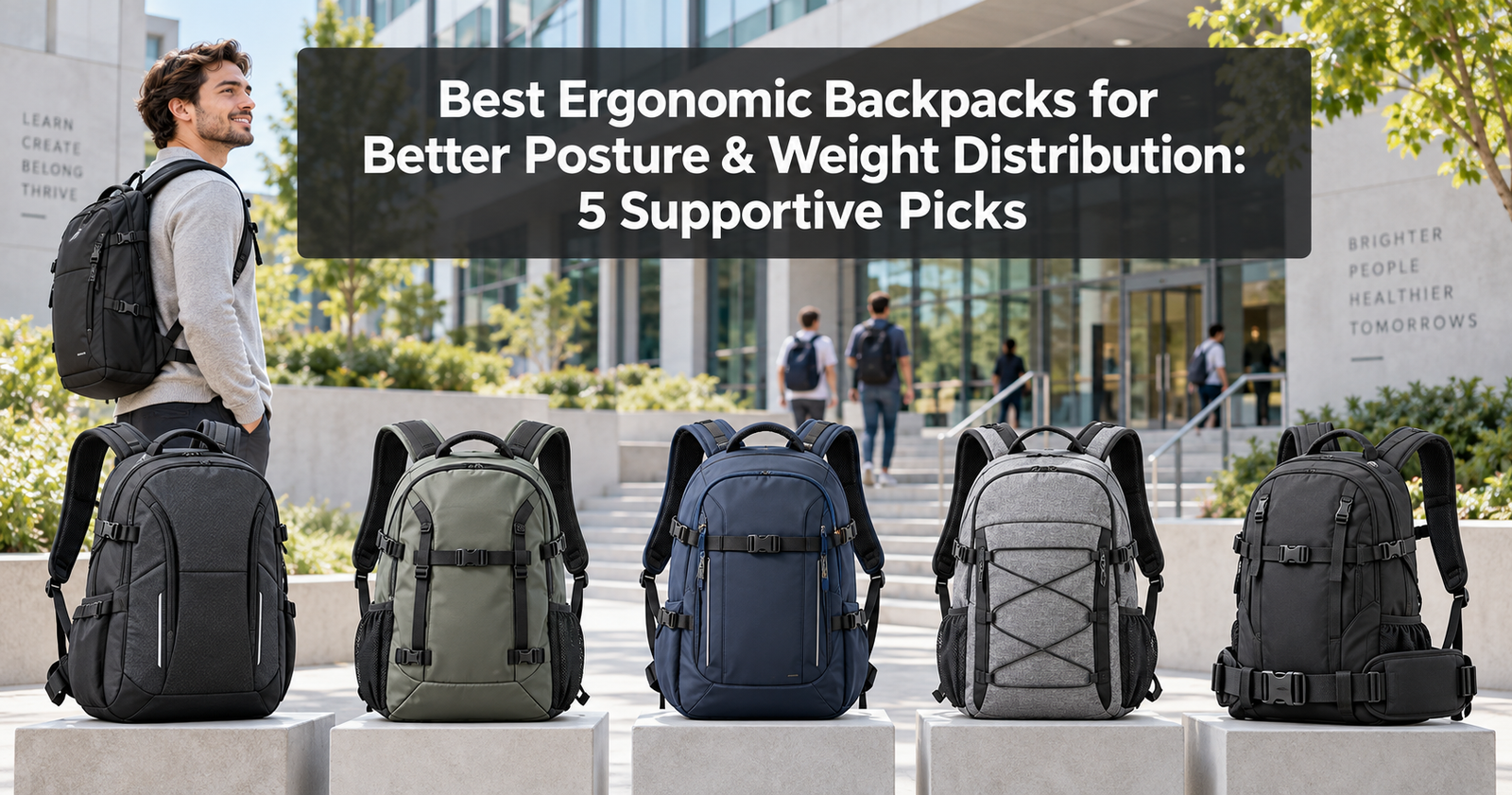
Carrying a laptop, charger, water bottle, and daily essentials can turn an ordinary backpack into an awkward load. A poorly fitted bag may pull away from the body or concentrate pressure on the shoulders. The best ergonomic backpacks for better posture cannot correct posture, but supportive straps, shaped back panels, compression, and sensible organization can make balanced carrying easier.
We prioritized padded shoulder harnesses, stable back panels, and features that keep the load close. Sternum straps and removable hip belts earned extra credit. We also considered empty weight, laptop protection, ventilation, and organization.
Product details and availability can change, so verify the current model and fit before ordering.
Quick Comparison
Table of Contents
| Backpack | Best For | Capacity | Weight | Load-Support Features |
|---|---|---|---|---|
| The North Face Borealis | Best overall | 28 L | 2 lb 5 oz | FlexVent suspension, sternum strap, removable waist belt |
| Osprey Daylite Plus | Lightweight daily carry | 20 L | 1.29 lb | Foam back panel, sternum strap, removable hip belt |
| Thule EnRoute 23L | Commuting and gym use | 23 L | 1.76 lb | Padded airflow back, sternum and compression straps |
| Fjällräven Skule 28 | Work-to-trail versatility | 28 L | 750 g | Air-mesh back, chest strap, detachable hip belt |
| Timbuk2 Authority Deluxe | Office and large laptops | Check current listing | Check current listing | Padded straps, air-mesh back, compression straps |
1. The North Face Borealis 28L — Best Overall
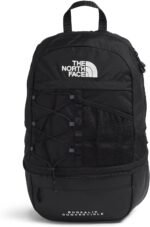
The North Face Borealis combines everyday organization with one of the most complete harness systems in this group. Its FlexVent suspension uses articulated shoulder straps, a rounded back panel, shaped stitch lines, and soft-touch fabric. The manufacturer also includes a sternum strap and removable waist belt, giving users more adjustment options than a basic school or office bag.
The 28-liter capacity provides room for books, a 16-inch-class laptop, and commuting essentials. Side and bottom compression reduce unused volume and load movement. A stand-up design also makes packing easier.
At 2 pounds 5 ounces, the Borealis is not the lightest option. Its structure and organization add weight before anything is packed. That tradeoff may be worthwhile for users who want a supportive multipurpose bag, but minimalists may prefer the Osprey.
 Pros
Pros
- Articulated padded shoulder straps and rounded back panel
- Sternum strap plus removable waist belt
- Side and bottom compression systems
- Dedicated laptop compartment and strong organization
- Women-specific version is also available
Cons
- Heavier than simpler daypacks
- 28-liter capacity can invite overpacking
- One-size fit will not suit every torso
Best for: Students, commuters, and everyday users who want adjustability and structured support.
2. Osprey Daylite Plus 20L — Best Lightweight Pick
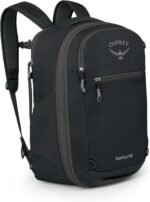
The Osprey Daylite Plus weighs approximately 1.29 pounds, making it an appealing choice when reducing the bag’s starting weight is a priority. Its 20-liter capacity is enough for everyday essentials without offering so much space that overpacking becomes automatic.
Osprey uses a mesh-covered, die-cut foam back panel designed for comfort and ventilation. The spacer-mesh harness includes additional EVA foam padding, an adjustable sternum strap, and a removable 20 mm webbing hip belt. These features give the compact pack multiple points of stabilization while keeping the overall design simple.
An internal sleeve can hold a hydration reservoir, tablet, or laptop up to about 15 inches. However, the sleeve is multifunctional rather than a heavily padded, dedicated computer compartment. Add a protective laptop sleeve if impact protection is important.
 Pros
Pros
- Low empty weight
- Ventilated foam back panel
- Adjustable sternum strap and removable hip belt
- Side compression straps keep smaller loads compact
- Useful 20-liter size for disciplined daily packing
Cons
- Less structured than larger commuter packs
- Laptop area is not as protective as a dedicated compartment
- Slim hip belt stabilizes rather than transferring heavy loads like a hiking belt
Best for: Light commuters, travelers, and people who tend to carry only the essentials.
3. Thule EnRoute 23L — Best for Commuting and Gym Use
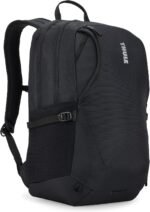
The Thule EnRoute 23L balances office organization with space for a change of clothes. Its elevated laptop and tablet pockets protect devices, while a secondary compartment includes a water-resistant TPU pocket for damp gym gear or toiletries. Separating wet items also prevents you from stuffing everything unevenly into one compartment.
For carrying comfort, Thule combines a padded back panel with an airflow channel and sternum strap. Side compression straps draw the load inward and also help secure bottles. The bag measures about 11.4 by 9.5 by 18.5 inches, weighs 1.76 pounds, and accommodates a 16-inch-class laptop.
There is no substantial load-bearing hip belt, so this is better viewed as an urban daypack than a solution for genuinely heavy loads. For a normal commute, however, its organization makes it easier to place dense items close to the back and keep smaller objects from collecting at the bottom.
 Pros
Pros
- Padded back with ventilation channel
- Sternum and side compression straps
- Separate area for clothes or damp items
- Elevated laptop and tablet pockets
- Luggage pass-through for travel
Cons
- No supportive hip belt
- Secondary compartment may encourage extra packing
- Sporty appearance may not suit formal offices
Best for: People who carry work technology and gym essentials in the same bag.
4. Fjällräven Skule 28 — Best Work-to-Trail Backpack
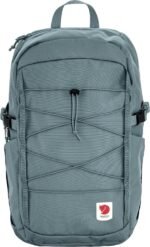
The Fjällräven Skule 28 is a versatile option for commuting during the week and taking light day hikes on weekends. It has a comfortable air-mesh back panel, padded shoulder straps, an adjustable chest strap, and a detachable hip belt. That combination supports a stable fit across more activities than a typical laptop bag.
The 28-liter pack includes a padded 15-inch laptop sleeve, hydration compatibility, seven pockets, and a front organization compartment. At 750 grams—about 1.65 pounds—it provides substantial capacity without the high empty weight of some heavily structured bags.
Because the hip belt is removable, users can keep the profile clean for the office and attach it when a longer walk requires more stability. As with any 28-liter bag, thoughtful packing is essential; filling every pocket can still create an unnecessarily heavy load.
 Pros
Pros
- Padded air-mesh back and shoulder straps
- Adjustable chest strap and detachable hip belt
- Relatively light for a 28-liter pack
- Laptop and hydration compatibility
- Durable recycled-polyester construction
Cons
- Laptop sleeve fits up to about 15 inches
- Outdoor styling is more casual than corporate
- Hip belt provides stabilization but is not a thick trekking belt
Best for: Users who want one backpack for work, school, travel, and light outdoor use.
5. Timbuk2 Authority Laptop Backpack Deluxe — Best for Office Organization
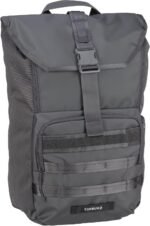
The Timbuk2 Authority Deluxe is designed around business technology and organization. Its padded laptop sleeve accommodates devices up to approximately 17 inches, while multiple internal pockets help keep chargers, notebooks, and accessories from settling into one dense mass at the bottom.
Padded shoulder straps and an air-mesh back panel support everyday comfort. Compression straps let you cinch the contents closer to the body, and a luggage pass-through allows the bag to ride on rolling luggage instead of your shoulders during airport travel. A water-resistant exterior and protective boot are useful for commuters.
The Authority is best for organized office loads rather than long hikes. It lacks the substantial waist suspension found on technical trekking packs, and a large laptop plus accessories can still become heavy. Its value lies in arranging that load predictably and keeping it close to the torso.
 Pros
Pros
- Padded straps and ventilated back panel
- Compression straps reduce load movement
- Fits larger laptops
- Extensive office organization
- Luggage pass-through reduces airport carrying
Cons
- No load-bearing hip belt
- Premium price
- Large device capacity can tempt users to carry too much
Best for: Professionals carrying a large laptop, cables, documents, and commuting accessories.
Amazon.com: Timbuk2 Spire Laptop Backpack 2.0, Steel : Electronics
How to Choose an Ergonomic Backpack
Start With Fit, Not Features
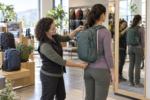 The best harness is ineffective if the backpack is too long, too wide, or shaped poorly for your body. The upper part should sit close to the shoulders rather than hanging several inches away. Try the bag with a realistic load and check the return policy when shopping online.
Use Two Wide, Padded Straps
Wear both shoulder straps and adjust them evenly. Carrying a backpack from one strap places the load asymmetrically and may cause you to shift your torso. Padding helps spread pressure, but excessively soft straps can compress under a heavy load.
Look for Stabilizing Straps
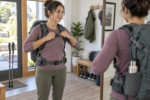 A sternum strap helps keep shoulder straps positioned and reduces side-to-side movement. A hip belt can add stability, but only a properly fitted, substantial belt can meaningfully transfer weight toward the hips. Thin webbing belts mainly control movement.
Keep the Load Close
Place the heaviest dense items—such as a laptop or large book—close to the back panel and near the middle of the bag. Use compression straps to prevent the contents from pulling backward. Keep left and right sides reasonably balanced.
Carry Less
No suspension system makes an excessive load harmless. Empty the bag regularly, use a water bottle appropriate for the day, and avoid carrying duplicate chargers, old papers, or “just in case” gear that is rarely used. If a normal daily load causes persistent pain, numbness, tingling, or weakness, consult a qualified healthcare professional.
Frequently Asked Questions
Can an ergonomic backpack improve posture?
 A well-fitted backpack may make a balanced upright carry easier, but it does not train or correct posture by itself. Load weight, fitness, walking habits, fit, and how the bag is packed all matter.
Is a sternum strap necessary?
It is not essential for every light load, but it can help stabilize the shoulder straps and reduce movement. Position it comfortably across the chest without tightening it enough to restrict breathing.
Should a backpack have a waist belt?
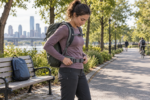 A waist or hip belt is useful for longer walks and larger loads. Thick, shaped hiking belts can transfer some load, while slim webbing belts mainly keep the pack from swinging.
How should a laptop be packed?
Use a padded sleeve close to the back panel. Avoid putting heavy objects in the outermost pocket because they pull the center of mass away from the body.
Final Verdict
The North Face Borealis is the strongest all-around choice because it combines an articulated harness, sternum strap, removable waist belt, compression, and everyday organization. The Osprey Daylite Plus is better for people who prioritize a low empty weight, while the Thule EnRoute suits work-and-gym commuters. Choose the Fjällräven Skule 28 for everyday and trail versatility, or the Timbuk2 Authority Deluxe for office organization and larger laptops.
Whichever model you choose, treat the backpack as one part of the solution. A suitable fit, lighter load, balanced packing, and correctly adjusted straps matter more than the word “ergonomic” on a product listing.