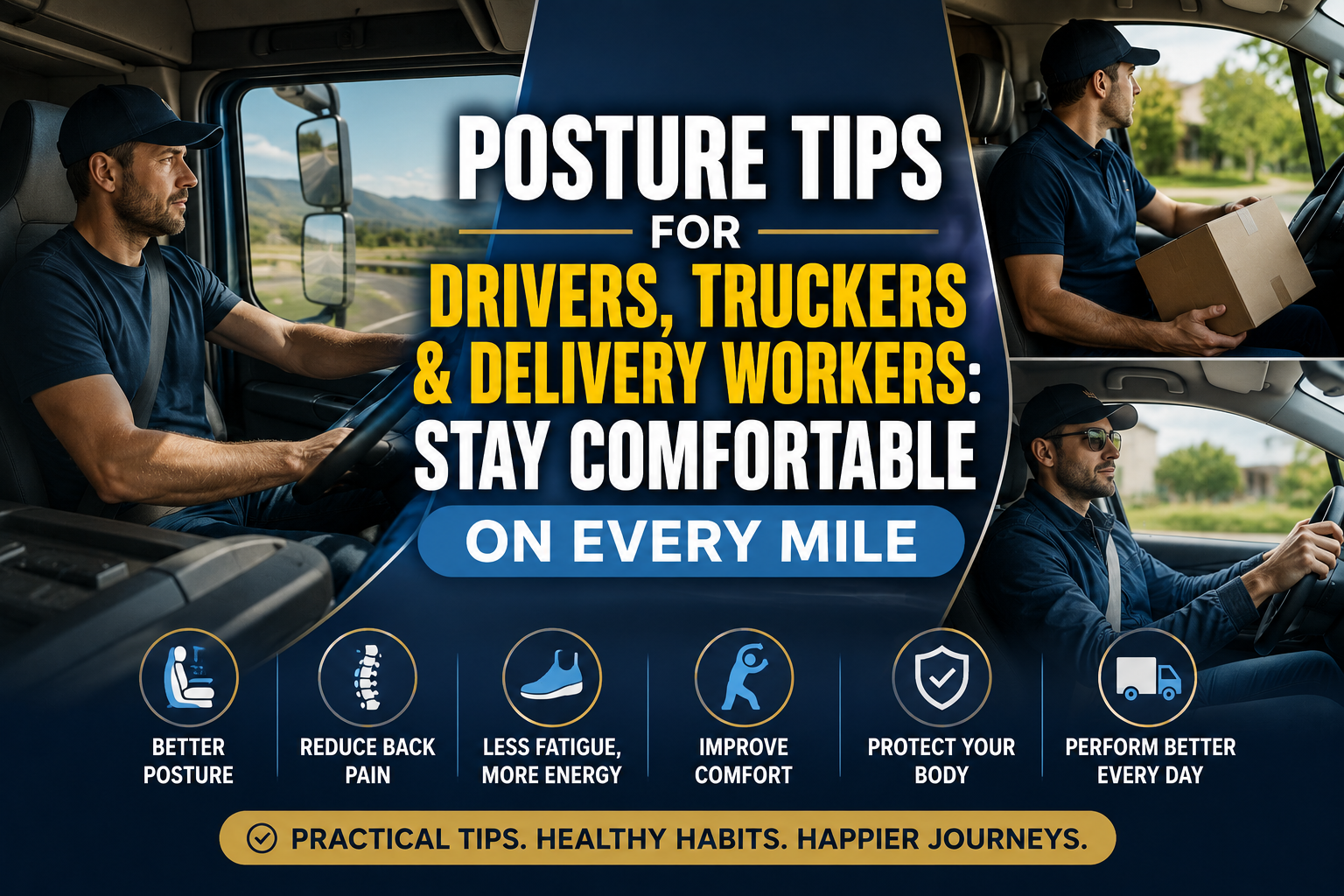
Whether you’re a truck driver covering hundreds of highway miles, a rideshare driver spending hours behind the wheel, or a delivery worker constantly getting in and out of your vehicle, your job places unique demands on your body. Long hours of sitting, repetitive movements, vibration from the road, and awkward lifting can all contribute to poor posture, back pain, neck stiffness, shoulder tension, and leg fatigue.
Unlike office workers who can frequently stand and stretch, drivers often have limited opportunities to move. Over time, poor driving posture can increase stress on the spine, hips, knees, and shoulders, making every shift more uncomfortable.
The good news is that a few simple posture habits—combined with the right ergonomic accessories—can dramatically improve comfort, reduce fatigue, and help prevent long-term musculoskeletal problems.
In this guide, we’ll cover the best posture tips for drivers, truckers, and delivery workers, along with recommended Amazon products that can make long hours on the road much more comfortable.
Why Drivers Develop Posture Problems
Table of Contents
Driving for extended periods can place constant pressure on the lower back, hips, and neck. Common posture mistakes include:
- Sitting too far from the steering wheel
- Slouching
- Leaning forward
- Holding the steering wheel too tightly
- Keeping the wallet in the back pocket
- Driving with locked elbows
- Poor seat adjustment
These habits may contribute to:
- Lower back pain
- Neck stiffness
- Shoulder tension
- Hip discomfort
- Leg numbness
- Poor circulation
- Sciatica symptoms
- Fatigue
Fortunately, many of these issues can be improved with proper posture and supportive equipment.
1. Adjust Your Seat Properly
Your seat position forms the foundation of good driving posture.
 Adjust your seat so that:
- Your knees are slightly bent.
- Your hips are level with or slightly higher than your knees.
- Your back remains fully supported.
- You can comfortably reach the pedals.
- Your elbows stay slightly bent while holding the steering wheel.
Avoid sitting too far away, which encourages leaning forward.
2. Use a Lumbar Support Cushion
Most factory vehicle seats lack adequate lower back support.
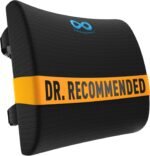 A quality lumbar cushion helps:
- Maintain the natural curve of the spine
- Reduce lower back pressure
- Improve posture
- Reduce fatigue during long drives
Recommended Product
Everlasting Comfort Lumbar Support Pillow
3. Add a Seat Cushion
Drivers often sit for 8–12 hours every day.
 A memory foam seat cushion helps:
- Reduce tailbone pressure
- Improve hip alignment
- Increase sitting comfort
- Reduce fatigue
Recommended Product
Cushion Lab Pressure Relief Seat Cushion
4. Keep Both Hands Relaxed on the Wheel
Grip the steering wheel lightly.
 Avoid:
- Locked elbows
- Raised shoulders
- Leaning forward
Relax your shoulders and maintain a comfortable bend in your elbows.
5. Wear Compression Socks
Long hours of sitting can reduce circulation.
 Compression socks help:
- Reduce swelling
- Improve circulation
- Minimize leg fatigue
- Increase comfort during long shifts
Recommended Product
Physix Gear Compression Socks
6. Stretch During Every Break
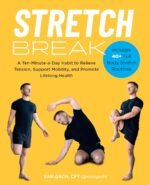 Whenever possible:
- Walk for 5 minutes
- Stretch your calves
- Stretch hip flexors
- Roll your shoulders
- Rotate your neck gently
Even short movement breaks improve circulation.
Amazon link
7. Keep Frequently Used Items Within Reach
Avoid repeatedly twisting your body.
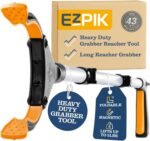 Store items like:
- Scanner
- Water bottle
- Clipboard
- Phone
- Delivery packages
within comfortable reach.
8. Recover with a Massage Gun
After long driving shifts, massage guns help loosen tight muscles.
 Great for:
- Lower back
- Glutes
- Hamstrings
- Shoulders
- Neck
Recommended Product
Theragun Mini Massage Gun
9. Improve Recovery with a Heating Pad
Heat therapy helps relax tired muscles after long hours behind the wheel.
 Benefits include:
- Reduced muscle stiffness
- Increased circulation
- Better recovery
- Temporary pain relief
Recommended Product
Sunbeam XL Heating Pad
10. Use a Neck Support Pillow
Many drivers experience neck fatigue due to poor head support.
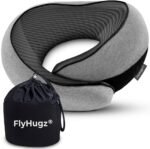 A quality headrest pillow:
- Supports the neck
- Reduces stiffness
- Improves comfort
- Helps maintain better posture
Recommended Product
QYILAY Leather Car Neck Pillow
11. Support Your Feet with Comfortable Insoles
Drivers frequently transition between driving and walking.
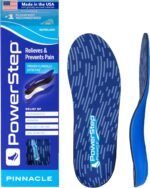 Supportive insoles help reduce:
- Heel pain
- Foot fatigue
- Knee strain
- Lower back discomfort
Recommended Product
PowerStep Pinnacle Insoles
Best Driving Posture Checklist
 Before starting your shift:
- ✔ Sit fully back in the seat.
- ✔ Keep your shoulders relaxed.
- ✔ Adjust mirrors to avoid leaning.
- ✔ Position your steering wheel comfortably.
- ✔ Keep both feet supported.
- ✔ Remove bulky wallets from back pockets.
- ✔ Wear supportive footwear.
Delivery Worker Posture Tips
 Delivery workers repeatedly:
- Lift packages
- Climb stairs
- Enter and exit vehicles
- Walk long distances
Remember to:
- Bend your knees when lifting.
- Keep packages close to your body.
- Avoid twisting while carrying loads.
- Alternate carrying sides when possible.
Daily Recovery Routine
 After work:
- Walk for 10 minutes.
- Stretch calves.
- Stretch hip flexors.
- Foam roll glutes.
- Apply heat if muscles feel stiff.
- Stay hydrated.
Buying Guide
When purchasing ergonomic products, prioritize:
Comfort
Choose products suitable for long driving shifts.
Portability
Compact products work best for vehicles.
Durability
Commercial drivers need equipment built for daily use.
Easy Cleaning
Look for washable covers and durable materials.
Customer Reviews
Check verified reviews before purchasing.
Frequently Asked Questions
Why do truck drivers get back pain?
Long periods of sitting, whole-body vibration, poor seat support, and limited movement can contribute to back discomfort.
Is a lumbar support pillow worth buying?
Yes. Many drivers experience better comfort and improved posture with proper lumbar support.
How often should drivers stop and stretch?
Whenever safely possible, aim to stop every 2–3 hours for a few minutes of walking and stretching.
Are compression socks helpful for truck drivers?
Many drivers find them helpful for reducing leg fatigue and improving circulation during long trips.
Can posture affect driving fatigue?
Yes. Better posture reduces muscle strain, helping you stay more comfortable and alert during long drives.
Final Thoughts
Drivers, truckers, and delivery workers spend countless hours behind the wheel, making posture one of the most important factors for long-term comfort and health. Simple changes—such as adjusting your seat correctly, using lumbar support, stretching during breaks, and investing in ergonomic accessories—can significantly reduce back pain, neck stiffness, and fatigue.
Small improvements made consistently can have a lasting impact on your daily comfort and overall well-being. By combining healthy posture habits with the right supportive products, you’ll be better equipped to stay comfortable, focused, and productive on every journey.