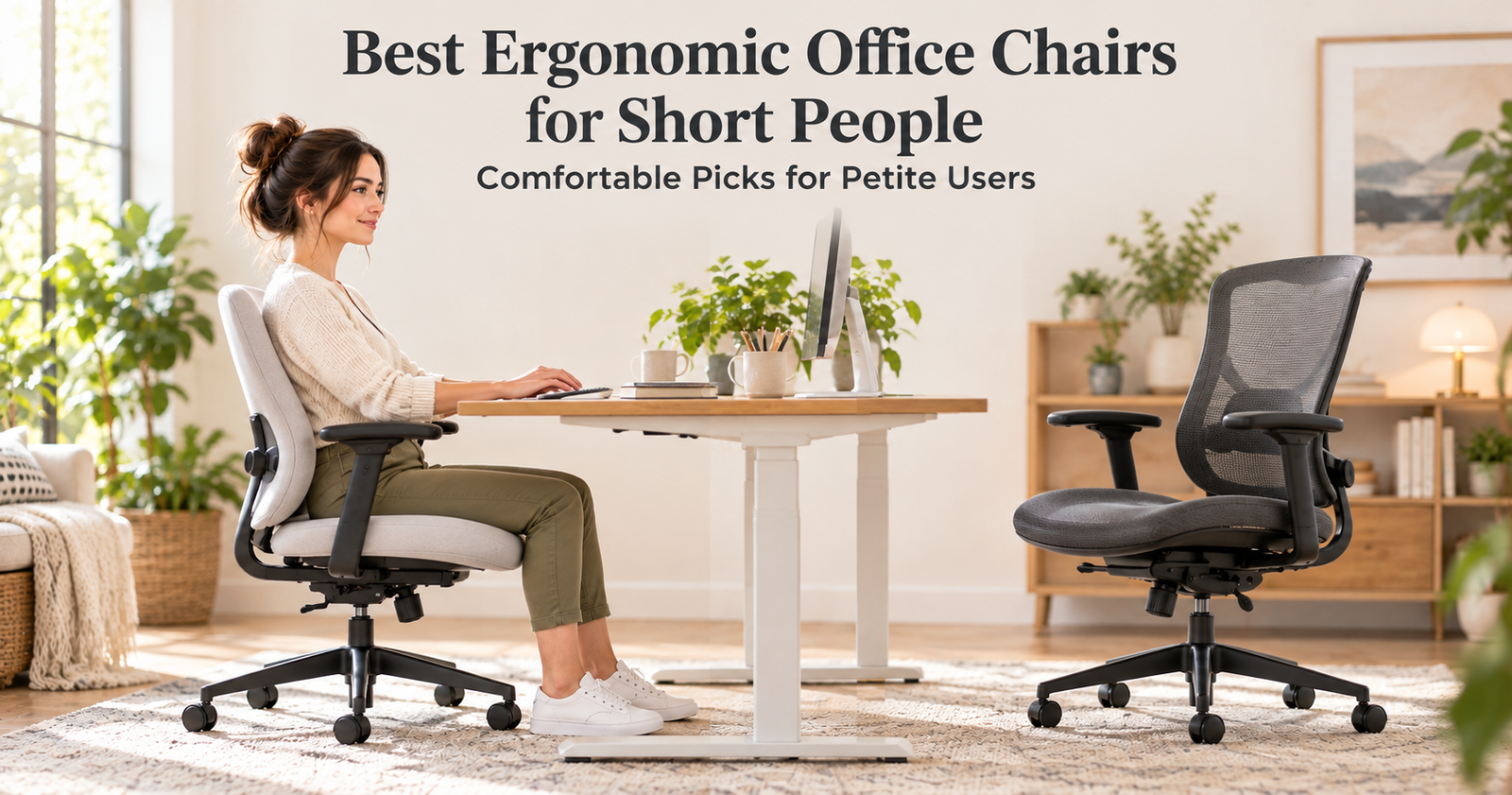
Finding a comfortable office chair can be frustrating when you are shorter than average. Many chairs have seats that are too high, cushions that extend too far forward, or armrests positioned too widely for a smaller frame.
You might find yourself sitting on the front edge to reach the floor or moving away from the backrest to avoid pressure behind your knees. These are signs that the chair’s dimensions deserve a closer look.
The best ergonomic office chairs for short people combine a suitable minimum seat height with a manageable seat depth. Adjustable armrests and back support can help refine the fit, but the chair also needs to work with your desk.
Below are five options worth considering. These selections are based on manufacturer specifications rather than hands-on testing. Your measurements and the exact chair configuration should guide the final decision.
Affiliate disclosure: As an Amazon Associate, we earn from qualifying purchases.
Quick Comparison of the Best Office Chairs for Short People
Table of Contents
| Chair | Recommended for | Published seat height | Published seat depth |
|---|---|---|---|
| Steelcase Leap | Broad adjustment options | 15.5–20.5 inches | 15.75–18.75 inches |
| Herman Miller Aeron Size A | Smaller frame and lower seat height | 14.4–19.3 inches | 16 inches, fixed |
| Steelcase Amia | Upholstered seating with adjustable depth | Verify the cylinder configuration | 15.5–18.5 inches |
| Steelcase Series 1 | Short seat-depth requirements | 16.5–21.5 inches, standard configuration | 15.5–17.75 inches |
| Haworth Soji | Mesh-back seating when the dimensions fit | 16.4–21 inches | 16.25–18.75 inches |
These measurements come from the cited manufacturer specifications. Regional versions, cylinder options, and replacement components can affect dimensions, so check the exact listing before purchasing. www.steelcase.com
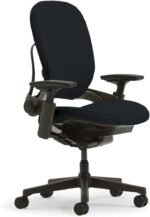
1. Steelcase Leap — Best Starting Point for Adjustability
The Steelcase Leap is a strong starting point for shorter users who want several ways to adjust their chair.
The standard work-chair configuration has a published seat-height range of 15.5–20.5 inches and a sliding seat-depth range of 15.75–18.75 inches. These measurements make it worth considering when a conventional office chair feels too tall or too deep. www.steelcase.com
The seat-depth adjustment is especially useful. You can move the seat backward to create clearance behind your knees while checking whether your back comfortably reaches the backrest.
Leap also offers adjustable arms and lumbar support, allowing you to refine the position of your forearms and lower-back support. www.steelcase.com
 Why Consider It?
Its appeal comes from the combination of adjustments. Instead of relying on one fixed seat shape, you have several settings to explore.
What to Check Before Buying
Confirm that the listing is for the standard Leap task chair. Leap Plus and stool versions have different specifications.
For refurbished chairs, ask about the installed cylinder, replacement casters, return policy, and warranty. A familiar model name does not guarantee that every seller supplies an identical configuration.
Best for: Shorter adults who want adjustable seat depth, arm positioning, and back support.
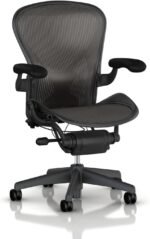
2. Herman Miller Aeron Size A — Best Small-Frame Option
The Herman Miller Aeron is available in three sizes. Size A is the option to investigate when you need a smaller frame.
Herman Miller publishes a seat-height range of 14.4–19.3 inches and a 16-inch seat depth for Size A. It has the lowest published minimum seat height among the configurations compared here. www.hermanmiller.com
However, its seat depth is fixed. You cannot slide the seat backward to shorten it, so the chair’s geometry needs to suit your body from the beginning.
 Why Consider It?
A smaller frame can be useful when larger chairs feel oversized even after adjustment. The lower minimum seat height also makes Size A worth trying if your feet remain unsupported on other chairs.
What to Check Before Buying
Check that the listing specifically states Size A. Also review the arm configuration: fixed, height-adjustable, and fully adjustable arms offer different adjustment possibilities. www.hermanmiller.com
When trying the chair, sit against the backrest and assess the clearance behind your knees. For used purchases, confirm whether the chair is a Classic or current-generation Aeron.
Best for: Buyers seeking a smaller mesh chair who have confirmed that its fixed seat depth fits.
Amazon.com: Herman Miller Classic Aeron Chair – Size B, Posture Fit : Home & Kitchen
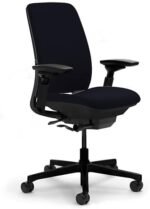
3. Steelcase Amia — Best Upholstered Alternative
The Steelcase Amia is worth considering if you prefer upholstered seating.
Steelcase’s specification guide describes an adjustable seat-depth range of 15.5–18.5 inches, adjustable lumbar support, and adjustable-arm configurations. The short minimum depth is particularly relevant for users with shorter thighs. www.steelcase.com
Seat height requires a separate check. Steelcase has documented different cylinder options, so you should ask for the minimum height of the exact chair being sold. www.steelcase.com
 Why Consider It?
The Amia provides another way to achieve a shorter usable seat without choosing a fixed small-frame chair. It is a useful alternative to investigate alongside the Leap.
What to Check Before Buying
Distinguish the upholstered Amia from Amia Air, which uses a different back design. www.steelcase.com
Check the cylinder configuration, arm adjustments, and condition of any refurbished components. If possible, try the chair with the seat at its shortest setting and assess whether the back support feels comfortably positioned.
Best for: Petite users seeking upholstered seating with adjustable depth, provided the chosen height range works.
Amazon.com: Steelcase Amia Chair (Renewed) (Black Fabric Black Frame) : Home & Kitchen
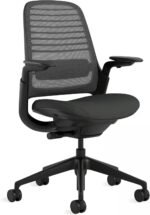
4. Steelcase Series 1 — Best for Short Seat-Depth Requirements
Steelcase Series 1 offers a published functional seat-depth range of 15.5–17.75 inches. Its standard work-chair seat-height range is 16.5–21.5 inches, with optional short and tall height ranges documented by Steelcase. www.steelcase.com
Those measurements highlight an important buying distinction: a shallow seat does not necessarily mean a low seat.
The standard configuration may suit your thigh length while still being too high for your feet to reach the floor.
 Why Consider It?
Series 1 is worth investigating when seat depth is your main problem. It also offers adjustable arms and a weight-activated recline system. www.steelcase.com
What to Check Before Buying
Verify which cylinder is included. Do not assume that an optional shorter height range comes with a standard online listing.
Try the recline function if possible, since its feel matters alongside the measurements. Also confirm that you are purchasing the task chair rather than the taller stool version.
Best for: Users who need a shorter seat depth and can accommodate the verified minimum height.
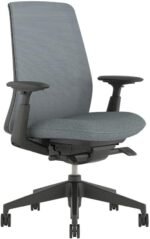
5. Haworth Soji — Best Mesh-Back Alternative When the Height Fits
The Haworth Soji offers an adjustable seat-height range of 16.4–21 inches and a seat-depth range of 16.25–18.75 inches. Its published width between armrests is 17.1–20.1 inches. Adjustable lumbar support and 4D arms depend on the selected configuration. store.haworth.com
It is a conditional recommendation for shorter adults whose measurements fit those ranges.
 Why Consider It?
Soji adds a mesh-back alternative to the shortlist. If its minimum height and depth suit you, it provides another option to compare with the upholstered chairs above.
What to Check Before Buying
Pay attention to arm spacing if you have a narrow frame. You should be able to use the arms without spreading your elbows uncomfortably.
Its seat does not shorten as much as several other options here, and its minimum height may be unsuitable for very short users. Compare your measurements before choosing it for its appearance or price.
Best for: Shorter users who fit its dimensions and prefer a mesh back.
How to Choose an Ergonomic Office Chair for Short People
Measure a Chair You Already Use
Start by measuring your current chair’s seat height and depth. Then identify the specific problem.
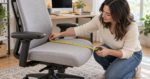 Are your feet unsupported? Does the seat press behind your knees? Do you sit forward because the backrest feels too far away?
These observations give you a more useful shopping brief than your total height alone. People of similar height can have different leg and torso proportions.
Check Minimum Seat Height
Maximum height is rarely the deciding measurement for a petite user. Focus on how low the exact chair can go.
OSHA recommends a seat that allows your feet to rest flat on the floor or a footrest. It also recommends armrests that allow relaxed shoulders and elbows close to the body. www.osha.gov
Check the height while seated, wearing the footwear you normally use at your desk.
Give Seat Depth Equal Attention
A low chair can still have a seat that is too deep.
 You should be able to sit against the backrest without the front edge contacting the backs of your knees. OSHA identifies adjustable seat depth as a way to help shorter users achieve this fit. www.osha.gov
For a fixed-depth chair, trying it before purchase becomes particularly valuable.
Consider Your Desk Height
The chair must work with your keyboard and mouse position.
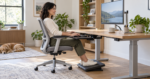 If lowering the chair makes the desk difficult to use, consider whether a suitable keyboard tray or adjustable desk could improve the arrangement. When the chair needs to remain raised, stable foot support may be necessary. www.osha.gov
A footrest can support your feet, but it cannot shorten an oversized seat.
Review the Exact Configuration
Before ordering, record the model, cylinder type, arm configuration, seat-depth range, and condition.
 For refurbished chairs, ask which parts were replaced. For new chairs, confirm that the listing includes the adjustments you want rather than assuming every manufacturer option is standard.
Check return shipping costs and any restocking charges. A clear return policy matters when you cannot try the chair locally.
Frequently Asked Questions
What Is the Best Office Chair for Someone Under Five Feet Tall?
There is no universal answer. Aeron Size A has the lowest published minimum height in this comparison, while Leap provides adjustable depth. Your required seat height, thigh length, and desk arrangement should guide the choice.
Do Short People Always Need a Footrest?
No. If your feet are comfortably supported on the floor at a suitable working height, you may not need one. A footrest becomes useful when reaching the desk requires raising the chair beyond the height at which your feet reach the floor.
Can a Seat Cushion Improve the Fit?
A cushion changes the usable height and depth. Recheck the setup after adding one. Avoid purchasing an unsuitable chair on the assumption that extra padding will solve every fit problem.
Should Petite Adults Buy Children’s Desk Chairs?
Choose according to adult fit, intended use, and product specifications. A smaller appearance does not establish suitable weight capacity, adjustment ranges, or durability for your work routine.
Choosing Your Chair
Investigate Steelcase Leap first if you want broad adjustment options. Consider Aeron Size A when a smaller frame and lower seat height are priorities. Amia, Series 1, and Soji provide alternatives when their exact configurations match your measurements.
Choose a chair that works with your feet, knees, back, arms, and desk. Those practical fit checks should lead the purchase.