Introduction
Table of Contents
Sciatica pain can make simple daily activities feel difficult. The pain often starts in the lower back or buttock and travels down one leg, sometimes reaching the calf, foot, or toes. Some people feel sharp shooting pain, while others feel burning, tingling, numbness, or deep aching. Sitting for long periods, driving, bending, lifting, or standing too long can make symptoms worse.
The good news is that many mild sciatica flare-ups improve with conservative care. At-home treatments such as cold packs, heat therapy, gentle movement, stretching, posture improvement, and over-the-counter pain relief may help reduce discomfort. Cleveland Clinic notes that self-care options can include cold and heat, anti-inflammatory medicines, and gentle movement or stretching for mild symptom management.
However, not every sciatica case is the same. The best approach depends on the cause and severity of symptoms. Some people need physical therapy, medical evaluation, imaging, injections, or other treatments. For home use, the goal is not to “cure” sciatica overnight. The goal is to reduce irritation, improve comfort, support better posture, and make daily movement easier.
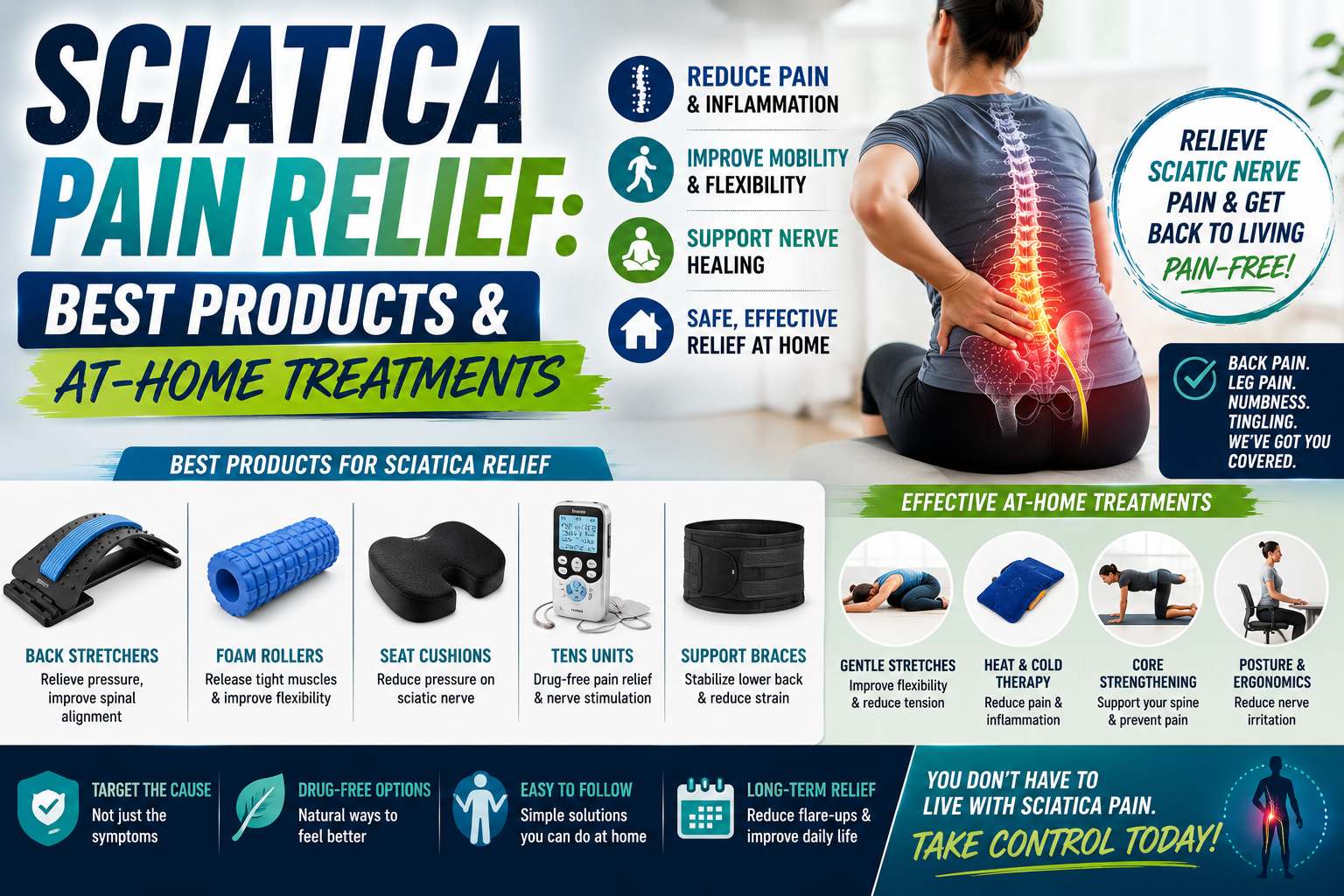
In this 2026 updated guide, we cover the best sciatica pain relief products and at-home treatments for people dealing with lower-back pain, buttock pain, leg pain, and nerve-related discomfort.
Quick Comparison: Best Sciatica Pain Relief Products 2026
| Rank | Product Type | Best For |
|---|---|---|
| 1 | ComfiLife Gel Enhanced Seat Cushion | Best seat cushion for sciatica and office sitting |
| 2 | Pure Enrichment PureRelief XL Heating Pad | Best heat therapy product |
| 3 | Chattanooga ColPac Reusable Cold Pack | Best cold therapy product |
| 4 | Everlasting Comfort Lumbar Support Pillow | Best lower-back support for chairs |
| 5 | iReliev TENS + EMS Unit | Best drug-free nerve and muscle stimulation option |
1. ComfiLife Gel Enhanced Seat Cushion — Best Seat Cushion for Sciatica and Office Sitting
 The ComfiLife Gel Enhanced Seat Cushion is one of the most popular sciatica relief products for people who sit for long hours. If your sciatica gets worse while sitting at a desk, driving, studying, or working from home, a good seat cushion can help reduce pressure on the tailbone, hips, and lower back area.
This type of cushion usually has a U-shaped cutout at the back, which helps reduce direct pressure on the coccyx. The memory foam and gel layer are designed to improve sitting comfort and distribute body weight more evenly. For people with sciatica-like symptoms, reducing pressure while seated may make workdays, travel, and driving more manageable.
A cushion will not fix the underlying cause of sciatica, but it can make sitting less painful. This is especially useful because many sciatica sufferers notice that sitting increases symptoms. A supportive cushion may help you maintain a more neutral pelvis position instead of sinking into a chair and rounding your lower back.
Key Features: Memory foam support, gel comfort layer, non-slip bottom, coccyx cutout, portable design, office chair use, car seat use, and home use.
Why We Like It: The ComfiLife Gel Enhanced Seat Cushion is a practical everyday product for people whose sciatica worsens while sitting. It is easy to use at a desk, in a car, or on a dining chair.
What Could Be Better: It may not work for everyone. Some users may prefer a firmer cushion, while others may need a wedge cushion depending on their posture and pain pattern.
Best For: Office workers, drivers, students, remote workers, people with sitting-related sciatica discomfort, and home office setups.
2. Pure Enrichment PureRelief XL Heating Pad — Best Heat Therapy Product
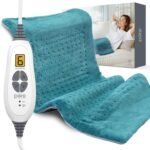 A heating pad is one of the most useful at-home tools for sciatica-related lower-back and hip discomfort. Heat may help relax tight muscles, improve blood flow, and reduce stiffness around the lower back, glutes, and hips. Mayo Clinic recommends hot packs after the first 2 to 3 days and suggests using heat on the painful area, while also noting that some people may benefit from alternating heat and cold.
The Pure Enrichment PureRelief XL Heating Pad is a good option because it offers a larger heating area than many small pads. This makes it easier to cover the lower back, buttock, hip, or hamstring area depending on where discomfort is felt.
For sciatica, heat is often most useful when pain is linked to muscle tightness or stiffness. Many people use it before gentle stretching or mobility work. A warm muscle may feel easier to move, but you should avoid aggressive stretching that increases nerve pain.
Key Features: Large heating surface, multiple heat settings, soft fabric, auto shut-off on many models, flexible design, and useful for back, hip, leg, and muscle stiffness.
Why We Like It: A large heating pad is easy to use at home and can provide soothing comfort during sciatica flare-ups, especially when tight muscles are part of the problem.
What Could Be Better: Heat is not always best in the first stage of an acute flare-up. Some people feel better with cold first, then heat later. Avoid sleeping on an electric heating pad.
Best For: Lower-back tightness, glute discomfort, hip stiffness, evening relief, pre-stretch warm-up, and home relaxation.
3. Chattanooga ColPac Reusable Cold Pack — Best Cold Therapy Product
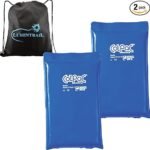 Cold therapy can be helpful during the first few days of a sciatica flare-up or when pain feels sharp, inflamed, or irritated. Mayo Clinic recommends using cold packs on the painful area for up to 20 minutes several times a day, with the ice pack wrapped in a clean towel.
The Chattanooga ColPac Reusable Cold Pack is a strong choice because it is widely used for physical therapy-style cold application. It is flexible after freezing and can contour around the lower back, hip, buttock, or leg better than many hard ice packs.
For sciatica, cold therapy may help calm irritated tissues and reduce pain signals temporarily. It is especially useful after long sitting, activity that triggers symptoms, or during the early phase of a flare-up. Harvard Health also notes that people may need to experiment with hot or cold therapy because what works best can vary from person to person.
Key Features: Reusable cold pack, flexible design, professional therapy-style construction, available in multiple sizes, useful for lower back and hips, and freezer-ready.
Why We Like It: The Chattanooga ColPac is simple, reusable, and effective for cold therapy. It is a good at-home product for early flare-ups and pain management.
What Could Be Better: Cold packs should not be placed directly on skin. Always wrap them in a towel to avoid ice burns or skin irritation.
Best For: Acute flare-ups, lower-back inflammation, sharp pain episodes, post-activity discomfort, and early-stage sciatica care.
Chattanooga ColPac Reusable Cold Pack
4. Everlasting Comfort Lumbar Support Pillow — Best Lower-Back Support for Chairs
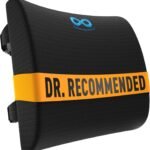 Poor sitting posture can make sciatica symptoms worse for many people. If your chair does not support your lower back, your pelvis may tilt backward, your spine may round, and pressure may increase around the lower back and hips. A lumbar support pillow can help encourage a more neutral sitting position.
The Everlasting Comfort Lumbar Support Pillow is a popular choice for office chairs, car seats, dining chairs, and home workstations. It is designed to support the lower back curve while sitting. This can be especially helpful for people who spend hours at a desk or drive frequently.
A lumbar pillow does not directly treat the sciatic nerve, but it can improve sitting comfort and reduce poor posture stress. For best results, use it with both feet flat on the floor, hips slightly higher than knees if possible, and the screen at eye level.
Key Features: Memory foam lumbar support, adjustable straps, breathable cover on many models, office chair compatibility, car seat use, and lower-back support design.
Why We Like It: This pillow is helpful for people whose symptoms get worse while sitting in unsupportive chairs. It encourages better posture and can make long sitting periods more manageable.
What Could Be Better: Not every lumbar pillow fits every chair or body type. Some users may need a thinner or firmer lumbar roll instead.
Best For: Desk workers, drivers, remote workers, students, office chairs, car seats, and people who need better lower-back support.
5. iReliev TENS + EMS Unit — Best Drug-Free Nerve and Muscle Stimulation Option
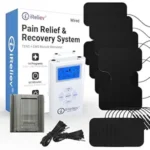 A TENS unit is a small device that sends mild electrical pulses through adhesive pads placed on the skin. Some people use TENS for temporary pain relief, including back pain and nerve-related discomfort. It does not cure sciatica, but it may help manage symptoms for some users.
The iReliev TENS + EMS Unit is a useful product for people who want a drug-free pain management option at home. TENS mode is generally used for pain relief, while EMS mode is more focused on muscle stimulation. For sciatica-type symptoms, many users are mainly interested in TENS.
Before using a TENS unit, read the instructions carefully. Do not place electrodes on the front of the neck, head, broken skin, or areas with reduced sensation. People with pacemakers, implanted devices, pregnancy, epilepsy, heart conditions, or certain medical concerns should ask a healthcare professional before use.
Key Features: TENS and EMS modes, multiple intensity levels, reusable electrode pads, portable design, battery-powered or rechargeable options depending on model, and drug-free pain relief support.
Why We Like It: A TENS unit can be a useful at-home tool for people looking for temporary, non-drug pain relief. It is portable and can be used while resting, reading, or relaxing.
What Could Be Better: TENS does not work for everyone and should be used carefully. It is not a replacement for diagnosis, physical therapy, or medical treatment.
Best For: Temporary pain relief, home use, people seeking non-drug options, muscle tension, and flare-up management.
Best At-Home Treatments for Sciatica Pain Relief
1. Use Cold During the First Few Days
During the early stage of a flare-up, cold packs may help reduce pain and swelling. Mayo Clinic recommends cold packs for up to 20 minutes several times a day, wrapped in a towel.
2. Try Heat After 2–3 Days
After the first few days, heat may help relax tight muscles and improve comfort. Many people use heat before stretching or gentle mobility. Mayo Clinic suggests hot packs after 2 to 3 days and notes that alternating warm and cold packs may help ongoing pain.
3. Keep Moving Gently
Complete bed rest is usually not the best long-term strategy. Cleveland Clinic includes gentle movement and stretching among self-care options for mild sciatica symptom management. Walking short distances, changing positions often, and avoiding long sitting may help many people.
4. Do Gentle Stretching
Common sciatica-friendly movements may include knee-to-chest stretches, piriformis stretches, hamstring stretches with a towel, cat-cow, and gentle nerve glides. However, not every stretch is right for every person. If a stretch increases shooting leg pain, numbness, or tingling, stop and seek guidance.
5. Improve Sitting Ergonomics
Use a supportive chair, lumbar pillow, and seat cushion if sitting worsens symptoms. Try keeping feet flat, knees near hip level, and the lower back supported. Take standing or walking breaks every 30 to 60 minutes.
6. Consider Over-the-Counter Pain Relief
Over-the-counter anti-inflammatory medicines may help reduce pain and swelling for some people, but they are not safe for everyone. Cleveland Clinic lists anti-inflammatory medicines as a possible self-care option, but people with stomach ulcers, kidney disease, blood-thinner use, heart conditions, pregnancy, or other medical issues should ask a healthcare professional first.
When to See a Doctor for Sciatica
Get medical help quickly if you have:
- Loss of bladder or bowel control
- Numbness in the groin, genital, or anal area
- Sudden or worsening leg weakness
- Fever, chills, or unexplained weight loss
- Severe pain after injury or accident
- Pain that does not improve after a few weeks
- Numbness or tingling that keeps getting worse
Healthdirect specifically warns that bladder or bowel control problems or numbness in the genital or anal area need urgent medical care.
How to Choose the Best Sciatica Relief Product
Start by identifying your biggest trigger. If sitting makes pain worse, choose a seat cushion or lumbar support pillow. If stiffness is the main problem, a heating pad may help. If pain feels inflamed or sharp, a cold pack may be better. If you want temporary non-drug relief, a TENS unit may be worth considering.
You should also think about where you feel pain. Lower-back pain may benefit from heat, cold, or lumbar support. Buttock pain may need a seat cushion or piriformis-friendly stretching. Leg symptoms may require medical evaluation if they are severe, spreading, or associated with weakness.
Do not buy products that promise instant cures. Sciatica often improves gradually, and long-term relief usually depends on movement, posture, strengthening, and treating the underlying cause.
Final Verdict
If you want the best overall sciatica relief product for sitting discomfort, the ComfiLife Gel Enhanced Seat Cushion is a practical first choice. It can help reduce pressure during work, driving, or daily sitting.
For temperature therapy, the Pure Enrichment PureRelief XL Heating Pad and Chattanooga ColPac Reusable Cold Pack are both useful, depending on whether heat or cold feels better. For posture support, the Everlasting Comfort Lumbar Support Pillow can improve chair comfort. For temporary non-drug pain management, the iReliev TENS + EMS Unit is a good option to consider.
Sciatica relief is usually not about one product. The best results often come from combining safe at-home care, gentle movement, supportive sitting, stretching, and professional guidance when needed.
FAQs About Sciatica Pain Relief
What is the fastest way to relieve sciatica pain at home?
Many people start with cold packs for the first few days, then heat after 2 to 3 days, along with gentle movement and avoiding long sitting. Mayo Clinic recommends cold packs first, then hot packs after a few days.
Is heat or ice better for sciatica?
Both may help, depending on the person and stage of pain. Cold may be better early in a flare-up, while heat may help tight muscles later. Harvard Health notes that people may need to experiment because what works varies.
Can a seat cushion help sciatica?
A seat cushion may help if sitting increases symptoms. It can reduce pressure and improve sitting comfort, but it does not cure the underlying cause.
Is walking good for sciatica?
Gentle walking may help many people because movement can reduce stiffness and improve circulation. Avoid pushing through severe pain or worsening leg symptoms.
Can sciatica go away on its own?
Many mild cases improve with conservative care, but persistent, severe, or worsening symptoms should be checked by a healthcare professional.
What products are best for sciatica pain relief?
Useful products may include a seat cushion, lumbar support pillow, heating pad, cold pack, TENS unit, stretching strap, supportive mattress topper, and ergonomic chair accessories.
When is sciatica an emergency?
Seek urgent care if you have loss of bladder or bowel control, numbness in the groin/genital/anal area, or sudden leg weakness.