What is Forward Head Posture?
Table of Contents
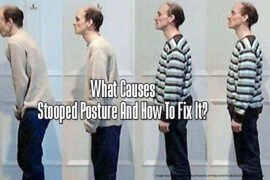
Forward head posture (FHP) is a condition in which the head protrudes forward from its ideal position, causing the shoulders to hunch forward and the upper back to round. In a healthy posture, the head should be aligned with the spine, with the ears over the shoulders and the chin parallel to the ground. However, with FHP, the head is pushed forward, which puts extra strain on the neck and upper back muscles. This posture is often seen in people who spend plenty of time sitting at a desk, looking down at their phone or computer, or carrying heavy bags on one shoulder. Over time, FHP can lead to chronic pain, headaches, and other health issues, making it important to address and correct this posture.
Why Does the Head Move Forward?
Consider a bowling ball balanced atop a long, flexible metal pole. If you add a little bend to the top of the pole, you’ll probably notice that the bowling bowl begins to weigh down and cause the pole to bend even more. It will bend over time as it gets bent more. The head is tilted forward, similar to what happens when you look down all of the time, and your head is the bowling ball, and the pole is your spine. Your head may not appear to be as heavy as a bowling ball, but it weighs approximately 10-11 pounds (4.5-5 kg).
As previously said, looking down at your phone all day or hunching in front of your computer screen will put your neck in an unfavorable position. Over time, your muscles and tissues will become accustomed to the postures we keep them in for lengthy durations. The ear, shoulder, hip, knees, and ankles should be in a straight line when you are sitting correctly. The ears will be out of line with the forward head posture.
Causes of Forward Head Posture
Your posture habits are important. Consider how you sit when using a computer, mobile phone, or driving a car. Are you sitting tall, or are you pushing your head forward? Your body will adjust to the positions you put it in, causing some muscles to weaken and others to tighten over time. This muscular imbalance can lead to a Forward Head Posture. There are several potential causes of forward head posture, including:
- Prolonged use of electronic devices: With the increasing use of smartphones, laptops, and other electronic devices, several people spend a significant amount of time looking down at screens. This can cause the neck to adopt a forward position, leading to a forward head posture.
- Poor ergonomics: Sitting in a chair that is too low or using a desk that is too high, or having a poorly positioned computer screen can all contribute to forward head posture.
- Weak neck muscles: The neck muscles play an important role in supporting the weight of the head. If these muscles are weak, they may struggle to maintain proper head and neck alignment, leading to a forward head posture.
- Injury or trauma: In some cases, forward head posture may be the result of an injury or trauma to the neck or spine.
- Poor posture habits: Poor posture habits, such as slouching or hunching over, can also contribute to forward head posture over time.
Side Effects of Forward Head Posture
Forward Head Posture can alter the muscles in your upper back, neck, and shoulders, which provide support for your head. Misaligned posture can overload the muscles and connective tissue. This affects both the length and strength of the muscles. Those muscles in the front of your neck become shorter and weaker, while the muscles in the back of your neck become longer and tighter.
The condition of the Forward Head Posture impacts the nerves, tendons, and ligaments that are associated with the affected muscles. Side effects of forward head posture may include:
- back pain
- muscle spasms
- headaches
- chronic neck pain
- tight neck muscles
- jaw pain in the temporomandibular joint
- decreased balance control
- decreased range of neck motion
- herniated or other disc problem
- numbness and tingling in arms and hands
Symptoms of Forward Head Posture
Forward head posture is a common condition where the head is positioned forward of the body’s center of gravity. This can lead to a number of symptoms, including:
- Neck pain: Forward head posture puts a lot of strain on the neck muscles, which can result in chronic pain.
- Headaches: The added strain on the neck can also cause tension headaches.
- Shoulder pain: The position of the head can also cause the shoulders to roll forward, which can lead to shoulder pain and upper back.
- Reduced range of motion: As the neck muscles become tight and strained, they can limit your ability to move your head freely.
- Fatigue: The added effort required to maintain a forward head posture can cause fatigue and decreased energy levels.
- Jaw pain: Forward head posture can also cause tension in the jaw muscles, leading to jaw pain and even temporomandibular joint (TMJ) disorders.
- Tingling or numbness in the hands or arms: The position of the head can put pressure on nerves in the neck, causing tingling or numbness in the arms or hands.
How To Check If You Have Forward Head Posture
Here are three tests you can take to check if your head is protruding forward.
X-Ray Scan
Request an appointment with your doctor to obtain a lateral view X-ray scan of your cervical spine.
The Craniovertebral Angle is formed by creating lines from the Tragus (which is part of the ear) to the C7 Spinous Process, then drawing a horizontal line that passes through a C7 vertebra. A value around 50 degrees would be considered normal.
Forward Head Posture Test
Instructions:
- Keep your back completely against the wall.
- Ensure that your pelvis and shoulder blades are touching the wall.
- Do not over-arch your lower back.
- Do not tilt your head backward.
- Does your head back touch the wall while standing in this position without making any additional movements?
Results: If your head does not touch the wall behind you without trying, it may indicate that you have a Forward Head Posture.
Side Profile
Instructions:
- Please take a photo of yourself from the side.
- Draw a line down the torso middle.
- Draw a line down from the ear canal.
- This line should be parallel to the midline of the torso.
Results: You may have a Forward Head Posture if the line of your ear canal is ahead of the line of your torso.
Five Negative Effects Of Forward Head Posture
Neck and Shoulder Pain
One of the most common negative impacts of forward head posture is shoulder and neck pain. When the head is positioned forward, it places added strain on the neck muscles and joints. This can lead to muscle tension, pain, and stiffness in the neck and shoulders. Over time, this can also lead to chronic pain and discomfort, making it challenging to perform everyday activities.
Headaches
Forward head posture may also lead to headaches. When the head is positioned forward, it can cause tension and strain in the neck muscles, which can then radiate up into the head. This can cause tension headaches, which are characterized by a dull, aching pain that often feels like a tight band around the head. In some cases, forward head posture can also lead to migraines, which are more severe headaches that are often accompanied by other symptoms like nausea and sensitivity to light and sound.
Breathing Problems
Another negative impact of forward head posture is that it can cause breathing problems. When the head is positioned forward, it can compress the airways and make it more difficult to breathe deeply. This may lead to shallow breathing, which can reduce the oxygen amount that gets to the body’s tissues and organs. Over time, this can lead to fatigue, weakness, and other health problems.
Digestive Problems
Forward head posture can also affect the digestive system. When the head is positioned forward, it can compress the organs in the chest and abdomen, including the stomach and intestines. This can slow down digestion and cause problems like constipation, bloating, and indigestion. It can also affect the function of the digestive organs, leading to nutrient deficiencies and other health problems.
Poor Posture and Balance
Finally, forward head posture can lead to poor posture and balance. When the head is positioned forward, it can throw off the body’s alignment, causing other body parts to compensate. This may lead to a chain reaction of muscle imbalances and joint problems, which can affect posture and balance. Over time, this can lead to chronic pain and other health problems.
The Best Stretches and Exercises for Fixing Forward Head Posture
In this section, we’ll offer you a few simple exercises and stretches that you can do at home without requiring any equipment. It’s critical to remember that these exercises are not intended as replacements for professional medical care. Consult with your medical professional to rule out an underlying cause if you are having persistent or recurring neck discomfort due to forward head posture. If you haven’t seen the two film clips above, now is the time to do so. All of these stretching exercises are based on those videos.
Chin Tucks
Chin tucks are a perfect way to strengthen the muscles in the neck and upper back that are responsible for maintaining good posture. To perform this exercise:
- Sit or stand with back straight and shoulders relaxed.
- Slowly tuck your chin towards your chest, keeping your eyes focused straight ahead.
- Hold for 5-10 seconds, then release and repeat for a total of 10-15 repetitions.
Neck Stretches
Stretching the muscles in the neck is also important for correcting forward head posture. To perform a neck stretch, sit or stand with your back straight and shoulders relaxed. Then, slowly tilt your head to the side, bringing your ear towards your shoulder. Hold for 10-15 seconds, then release and repeat on the other side. You can also perform a forward neck stretch by gently bringing your chin towards your chest, holding for 10-15 seconds, and then releasing.
Shoulder Shrugs
Shoulder shrugs are a great way to release tension in the upper back and shoulders. To perform this exercise:
- Sit or stand with back straight and shoulders relaxed.
- Lift shoulders up towards ears, hold for 5-10 seconds, and then release.
- Repeat for a total of 10-15 repetitions.
Scapular Retraction
Scapular retraction is another exercise that helps to strengthen the muscles in the upper back and improve posture. To perform this exercise:
- Sit or stand with back straight and shoulders relaxed.
- Bring your shoulder blades together, squeezing them towards your spine.
- Hold for 5-10 seconds, then release and repeat for a total of 10-15 repetitions.
Thoracic Spine Extension
The thoracic spine extension is an exercise that helps to stretch the muscles in the upper back and improve posture. To perform thoracic extension exercises:
- First, lie on your back with a foam roller and rolled-up towel placed lengthwise along your spine.
- Gently extend your arms above your head, keeping your elbows straight.
- Hold for 10-15 seconds, then release and repeat for a total of 10-15 repetitions.
Pectoral Stretch
The pectoral muscles, located in the chest, can become tight and contribute to forward head posture. To stretch these muscles:
- Stand in a doorway with arms extended at shoulder height and your elbows bent to 90 degrees.
- Lean forward until you feel a chest stretch.
- Hold for 10-15 seconds, then release and repeat for a total of 10-15 repetitions.
Wall Angels
Wall angels are perfect exercises for improving posture and strengthening the muscles in the upper back. To perform this exercise:
- Firstly, stand with your back against a wall and let your feet be 6 inches away from the wall.
- Slowly raise your arms to shoulder height and bring them down towards your sides, keeping your wrists and elbows in contact with the wall at all times.
- Repeat for a total of 10-15 repetitions.
Upper Trapezius Stretch
The upper trapezius muscle is often tight in people with a forward head posture. This stretch can help alleviate tension in this muscle and improve posture. To perform the upper trapezius stretch:
- First, sit or stand with your back straight and relax your shoulders.
- Tilt your head to the left & bring your left ear towards your left shoulder.
- Place your left hand on the right side of your head and slowly pull your head towards your left shoulder until you feel the stretch in your neck and upper back.
- Hold in this position for 15-30 seconds, and then release.
- Repeat on the right side.
Things To Avoid While Suffering From Forward Head Posture
If you are suffering from forward head posture, there are certain things you should avoid to prevent further strain on your neck and spine. Here are some things to avoid:
- Using a pillow that is too high: Avoid using a pillow that is too much high, as it can push your head forward and increase the strain on your neck and spine.
- Carrying heavy backpacks or bags on one shoulder: Avoid carrying heavy bags or backpacks on one shoulder, as this can lead to uneven distribution of weight and strain on one side of your body.
- Texting or using a smartphone: Avoid looking down at your smartphone or other devices for long periods of time, as this may cause your neck to flex forward and contribute to forward head posture.
- High-impact exercises: Avoid high-impact exercises that require a lot of jumping or jarring movements, as this can strain your neck and spine.
- Lifting heavy weights: Avoid lifting heavy weights with poor posture, as this can cause strain on your neck and spine.
FAQs
Q1. How much time does it take to fix the forward head posture?
By consistently maintaining a good sitting posture, performing core-strengthening exercises, and stretching regularly, you can expect to see progress within a few months to six months. Improving your posture is a continuous process that varies in progress for each individual.
Q2. Is forward head posture curable?
Kyphosis is often linked to rounded shoulders. The good news is that you may often address the issue by doing stretching and strengthening exercises, as well as maintaining good posture. This should alleviate any side effects and help improve your posture.
Q3. What muscles are weak in forward head posture?
Weak and lengthened muscles in Forward head posture and rounded shoulders are deep neck flexors which include longus capitis and longus coli, and weak scapular stabilizers and retractors, which include Rhomboids and middle, lower trapezius, Teres Minor and Infraspinatus.
Q4. How does forward head posture affect the brain?
Forward head posture negatively affects cervical sensorimotor control. Forward head posture negatively affects the autonomic nervous system. There is a strong correlation between CVA (forward head posture) and cervical sensorimotor outcomes.
Q5. Can forward head posture cause depression?
Postural change has been linked to depression and other health challenges. Maintaining an unnatural, stooped posture can often create aches and pains that exacerbate depression. It’s a vicious cycle.
Conclusion
In conclusion, fixing forward head posture is essential for maintaining good overall health and well-being. Poor posture may cause a range of issues, from neck and back pain to headaches and reduced lung capacity. However, with a few simple changes to your daily routine, such as stretching, strengthening exercises, and ergonomic adjustments, you can improve your posture and reduce the risk of developing these problems. By making a conscious effort to maintain a good posture, you can help ensure that your body stays healthy and strong for years to come.
Your Body Posture

Based out of Minnesota, home of the world-famous mayoclinic.org, and founded by a team of health professionals, including Chiropractors and Physical Therapists. Yourbodyposture.com was started with the goal of being your go-to resource for all things posture and physical health-related.
In addition to helping users identify the underlying cause of their pain, we look to share product reviews, treatment strategies, and other health hacks to help the user improve their quality of life. In fact, our articles and tips have helped more than 200,000 readers to date. During our research, we like to use sites like medlineplus.gov,Webmd.com, acatoday.com, PubMed.gov, Healthline.com, Prevention.com, and health.com to gather knowledge and help you find the most reliable and trustworthy information.
For product research, in addition to first-hand use of several of the products, we use the thousands of credible reviews from sites like ConsumerReports.org, Amazon.com, Target.com, and the Wirecutter.com, as well as our years of experience in reviewing consumer goods to help you make the right decision for your product needs.